Do you feel that time is a thief and that you are not achieving the goals that you have set for yourself?
This month at Learn You Flow we will be exploring how to plan your week effectively. This is so that all the work you have done on working out what your goals are does not go to waist. There is no right or wrong way to plan. So, if you have a method that works for you then stick to it. However, if you need a few hints and tips, we are giving you a base line to start from.
Step 1) Identification
The most common place to start when planning your week is to write a list. The initial list should include small errands and larger projects and reoccurring tasks. If you have been following this blog series, you may have come up with smart goals to improve areas of your life. To incorporate these goals into your week you may have to break down the goals into bight size tasks. This makes them easier to plan especially if you have a busy schedule. Here is an example of a broken-down goal:
Goal: To write a blog post
Tasks
- Research the topic
- Work out the tools you wish to use (e.g. computer or notebook and pen)
- Book a set time in your week to sit down and write the post (or if this is too much to do in one go you could break it down even further by saying write half of it)
- Write the post.
- Set some time aside to proofread.
Step 2) Prioritizing
After you have written your initial list the next step is to work out your priorities. Your tasks might vary in importance and urgency. This concept is part of the Eisenhower Matrix by Stephen Covey. This is a model that categorises tasks in specific ways. For example, the tasks might be important because they are inline with your values. Or they are urgent because they have a deadline. If they are not as urgent but are important and they fall into the category of ‘would be nice if’ then they can go further down the priority list, but you should still schedule them in. If you have jobs that are not important or urgent at all then maybe you might need to think about abandoning these tasks where possible to make space for other things.
Step 3) Creating
The next step is where planning can look different for each individual. This is because even though the concepts are the same the presentation may be different.
So what are the concepts…
Time
Time is quite a difficult topic as some people work well under time pressure, and some people don’t, so we will offer 2 different ways to create a plan to accommodate these differences.
Option A) Timetables
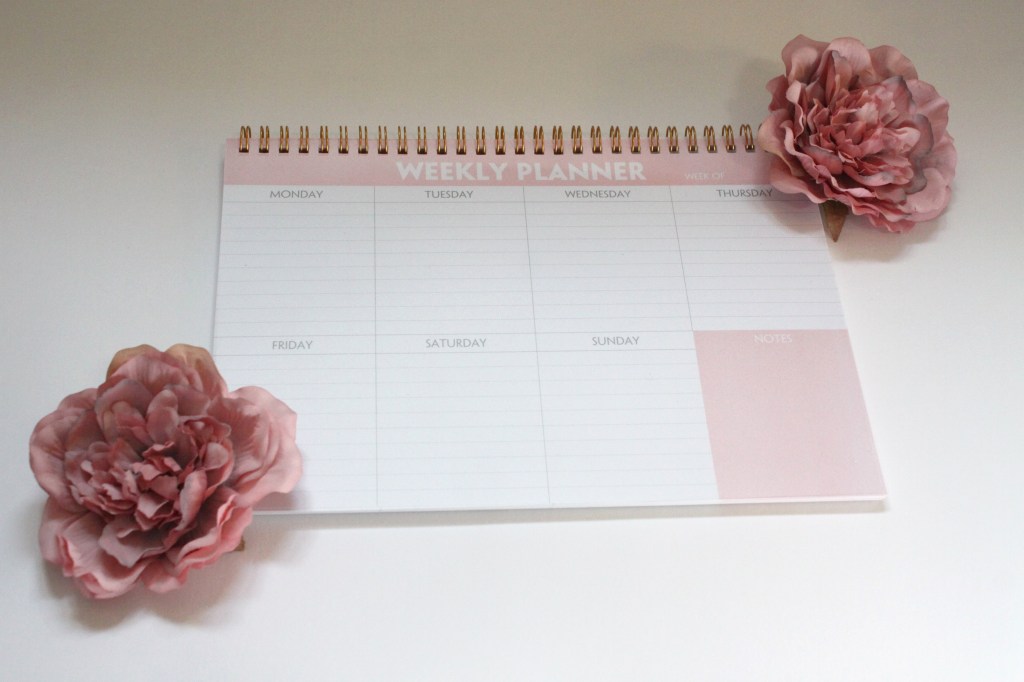
In this example you would look at your priority list and create a timetable that has allocated time frames for each task. How this looks may vary from person to person as you may create a timetable on the computer, you may use a calendar or diary. But the main emphasis of this method is to give each task a time slot.
You can take this further by having theme days such as a household chores day, a family day or whatever tasks you have that are similar that you can group together.
Option B) Mountain Diagram
One of the advantages of having time frames is that it can help with motivation and lets you see that you are making progress. However, if you are someone who gets stressed because of deadlines and time pressures that’s ok. Here is a more visual way to show your progress.
With this method you can categorise the tasks by writing them down on slips of different coloured paper. The colours could represent different themes, the urgency of the task, or any other way you wish to separate the tasks. You then place them on the lefthand side of the wall so that you can see them. As you start each task you move the slips of paper into the middle and once, they are completed you can move them across to the righthand side of the wall. If you are a visual person, it can be nice to have a picture of a mountain in the middle and as you start your task it moves to the point of the mountain and then to the left side of the mountain once completed. This method takes away any form of time pressure but allows you to see that you are making progress, and you can see what still needs to be done.
Planning the non-negotiables
The non-negotiables are tasks such as self-care, exercise, rest and social activities. These tasks are important as they help to reduce the risk of burnouts. This concept applies to both timetables and the mountain diagram.
Planning for bad days
Planning for bad days may seem counterintuitive because the purpose of having a plan is to make completing tasks and goals more successful. However, we are all human. This means that there is always going to be things we can’t plan for like illnesses, or ad hoc tasks that have are both urgent and important, or we just need more time to rest that day. So, we can combat this by planning in some blank spaces so that you can accommodate the bad days.
Step 4) Reviewing
The final step of planning your week is the reviewing process. This includes a goal/ task review at the end of the week to see what worked and what didn’t. This may take the form of trying different tools such as diaries, computers, apps, notebooks, or tables and over time working out which one suits you best. Even if you change the tool the concepts of identifying, prioritising, creating and reviewing stays the same.
For us here at Learn Your Flow we find that good planning is the key to success. But we also recognise that planning can get demoralizing if you find yourself not sticking to the plan. If this is the case, then use the review part of this process to work out why the plan didn’t work. It could be motivation, unexpected situations that took up too much time. This evaluation will help you to identify the issues so that you know what you’re working with and what you have to over come. But it is important to remember no matter what the reason is for not sticking to your plan it is important not to beat yourself up. Each day is a new day and with some tweaking here and there you will eventually find a planning method that suits you.
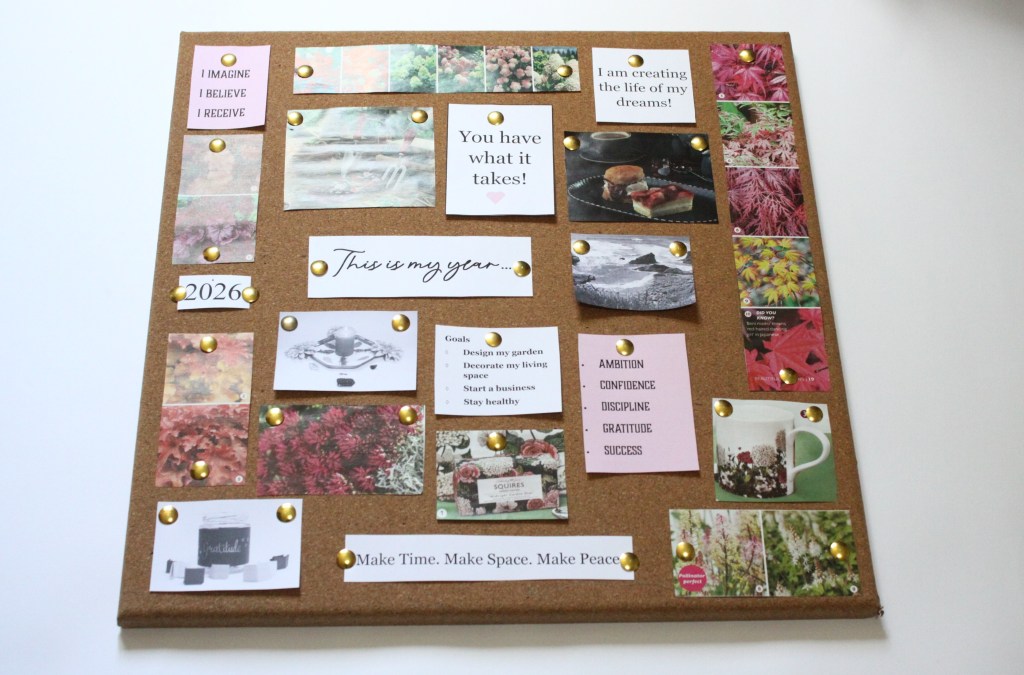
If you have been following the life coaching series here at Learn Your Flow, then you may have created goals that you wish to work on. This month you can begin to bring these goals forward by planning them and actioning them if you feel ready. Next month is all about getting creative and supporting your hard work by using a visualization tool. So stay tuned!